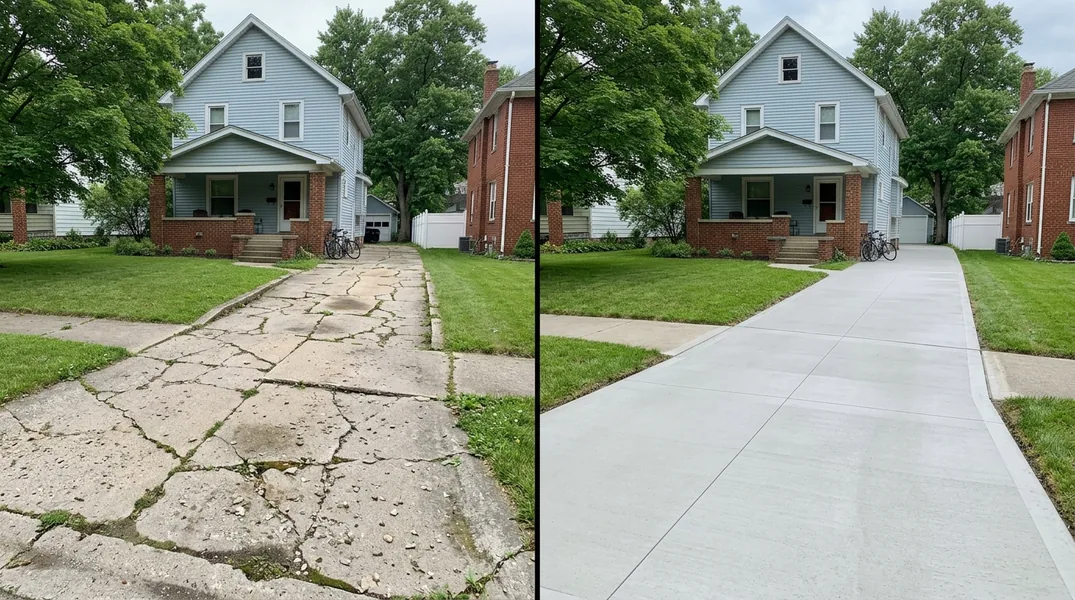
Understanding Ann Arbor's Climate and Concrete Pouring
If you're planning a Concrete Driveways project in Ann Arbor, timing is everything. The weather conditions in southeast Michigan create unique challenges and opportunities for concrete work. Unlike warmer climates where concrete can be poured year-round, Ann Arbor experiences four distinct seasons that significantly impact how concrete cures and sets. Understanding these seasonal variations will help you make an informed decision about when to schedule your project.
Concrete curing is a chemical process that requires specific temperature ranges to occur properly. When temperatures drop below 50 degrees Fahrenheit, the hydration process slows dramatically, which can compromise the strength and durability of your finished concrete. Conversely, extremely hot temperatures can cause concrete to cure too quickly, leading to surface cracking and reduced longevity. The ideal temperature range for concrete pouring is between 50 and 85 degrees Fahrenheit, with moderate humidity levels. This narrow window makes seasonal planning essential for homeowners in Michigan.
Spring: The Prime Season for Concrete Work
Spring, typically from late April through May, represents the best time to pour concrete in Michigan. During this period, daytime temperatures consistently rise above 50 degrees, and the threat of hard freezes diminishes significantly. The soil has thawed from winter, making excavation and site preparation easier for your contractor. Spring also offers moderate humidity levels, which prevents concrete from drying too quickly on the surface while the interior continues to cure. If you're considering Concrete Patios or other exterior projects, spring provides the most predictable weather patterns.
One advantage of spring pouring is that your concrete will have the entire summer to cure and harden before winter arrives. A typical concrete slab reaches about 90 percent of its full strength within 28 days under ideal conditions, but continues to gain strength for up to a year. By starting your project in spring, you ensure that your driveway or patio has months of favorable weather to develop maximum durability. Additionally, spring contractors often have more availability than during peak summer months, which may help you secure your preferred scheduling window.
Summer Pouring: Benefits and Precautions
Summer months, from June through August, also work well for concrete projects in Michigan, though they come with specific considerations. Warm temperatures accelerate the curing process, which sounds beneficial but requires careful management. When concrete cures too rapidly, especially during hot, dry days, the surface can dry faster than the interior, creating internal stress and potential cracking. Professional contractors in Ann Arbor mitigate this risk through proper moisture retention techniques, such as misting and covering the concrete during the critical first days after pouring.
Summer is also when many homeowners have time off work and are thinking about outdoor improvements, making it a popular season for Stamped & Decorative Concrete projects. The extended daylight hours give contractors more working time, and scheduling is often flexible. However, summer heat can be intense, and concrete poured during extreme heat waves (above 90 degrees) requires extra monitoring. If you're planning a summer project, discuss heat management strategies with your contractor and ensure they have experience working in warm conditions.
Late Fall Concrete Pour Michigan: Why It's Risky
Late fall, particularly September through October, presents a tempting window for concrete work because temperatures are still mild and summer crowds have dispersed. However, this season carries significant risks that homeowners should understand before committing to a late fall concrete pour in Michigan. As temperatures begin to drop unpredictably, you enter a zone where nighttime freezes become increasingly likely. If concrete freezes before it reaches adequate strength, water in the mixture expands and causes permanent damage, resulting in scaling, cracking, and spalling that may require Concrete Repair & Resurfacing within just a few years.
The challenge with fall pouring is the shortened curing window before winter. Concrete needs at least 7 days of temperatures above 50 degrees to develop sufficient strength to withstand freeze-thaw cycles. In Michigan, this window closes quickly as November approaches. Additionally, fall brings increased rainfall and humidity, which can interfere with proper curing and surface finishing. Many professional contractors become more cautious about fall projects and may charge premium rates due to the added risk and the need for protective measures like heated enclosures or curing blankets.
Winter Concrete Curing: Cold Weather Challenges
Winter is generally not recommended for concrete pouring in Michigan unless absolutely necessary and handled by experienced contractors with specialized equipment. From November through March, temperatures regularly drop below freezing, creating conditions that are nearly impossible for proper concrete curing. Cold weather concrete curing requires expensive protective measures including heated enclosures, insulated blankets, and sometimes heated water or additives to lower the freezing point of the concrete mixture. These precautions significantly increase project costs and complexity.
If you must pour concrete during winter months, your contractor needs to implement cold weather protocols to protect the concrete during the critical first 24 to 48 hours. The concrete must be kept above 50 degrees Fahrenheit during this period, and ideally maintained at warmer temperatures for several days. Even with these measures, winter concrete is more prone to problems and typically doesn't develop the same long-term strength as concrete poured in favorable seasons. Unless your situation is urgent, waiting for spring or early summer will result in a superior product and better long-term performance for your driveway or patio.
Planning Your Concrete Project: Timing and Next Steps
The optimal timeframe for concrete work in Michigan is late spring through mid-summer, with late April through July representing the sweet spot. This window provides consistent temperatures, adequate curing time before winter, and the most predictable weather patterns. If you're ready to move forward with your project, the first step is getting a professional assessment of your site and discussing your timeline with an experienced contractor.
Ann Arbor Concrete specializes in helping homeowners plan projects that align with Michigan's seasonal demands. Whether you're interested in Concrete Driveways, patios, or decorative finishes, our team understands how local weather impacts your project's success. We recommend scheduling a free estimate at least a few weeks before your ideal pouring season to ensure proper planning and scheduling. You can reach us at (734) 249-8552 to discuss your project timeline and get expert advice tailored to your specific needs. Don't let poor timing compromise your concrete investment, contact us today to plan your project for success.
Looking for a professional concrete contractor in Ann Arbor? Ann Arbor Concrete responds fast for all your concrete needs.
Get a Free QuoteOur services: Concrete Driveways · Concrete Patios · Stamped & Decorative Concrete